

In recent times, the particular coffee landscape offers evolved dramatically, having a growing emphasis about quality, flavor, and even sustainability. Specialty espresso has emerged while a prominent trend, captivating the attention regarding coffee enthusiasts and even casual drinkers equally. This unique part of the market is targeted on exceptional beans which can be cultivated using care, making last product that exhibits a range of complex flavors and even aromas. Whether you are a seasoned barista or an individual who simply likes a good mug of joe, sampling into the entire world of specialty espresso beans can always be a delightful venture.
1 of the the majority of exciting aspects of specialty coffee is the varied origins and varieties available. When you purchase 1kg of espresso beans, an individual are not simply investing in a commodity; an individual are exploring rich traditions from places like Ethiopia, Colombia, and Guatemala. Every single region brings its own distinct attributes, influenced by weather, altitude, and farming practices. Understanding these nuances can elevate your coffee experience and even transform your everyday ritual into a good exploration of craftsmanship and even artistry. Join people as we discover the fascinating world of specialty coffee and find out what makes these kinds of beans truly excellent.
Understanding Specialty Espresso
Niche coffee refers in order to the highest grade of coffee beans available. To always be classified as niche, coffee must acquire a score regarding 80 points or more on a 100-point scale, as decided by certified java tasters called cuppers. This grading not really only reflects the beans' inherent attributes, such as fragrance and flavor, but also the proper care taken throughout the increasing, harvesting, and control stages. Specialty caffeine is often found from specific regions known for their unique growing conditions, allowing for diverse flavor profiles which can be traced back to be able to their origin.
One essential part of specialty coffee could be the emphasis about quality and distinctiveness. Growers often progress coffee in smaller batches by having an acute attention to depth, from seed selection to harvesting methods. This process allows for various espresso beans that can always be roasted to emphasize their unique characteristics. 1kg coffee beans in the supply chain likewise plays a substantial role; consumers can easily trace their 1kg espresso beans back in order to the specific plantation or producer, promoting ethical sourcing and sustainability.
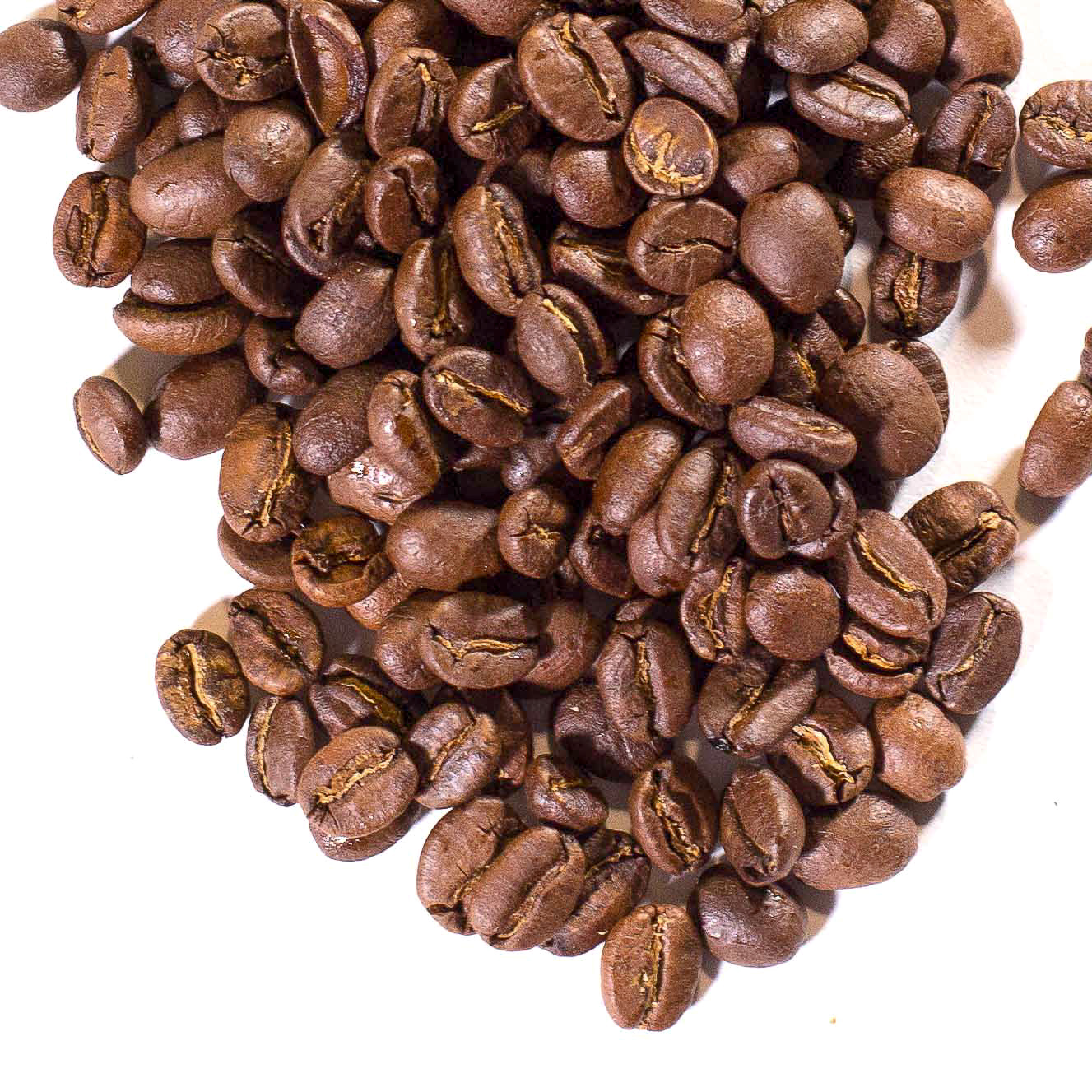
Finally, the excitement from specialty coffee extends beyond the pot. It invites fans to explore the breadth of tastes available, from fruity and floral records to rich dark chocolate undertones. Coffee lovers often take part in sampling events and educational workshops to deepen their very own appreciation of the art. As the specialty coffee movement keeps growing, it encourages the richer understanding regarding the artistry of which goes into each and every batch of specialized coffee beans.
Sorts of Specialty Coffee Beans
Specialty coffee beans are grouped depending on a selection of factors, which includes their origin, processing methods, and flavour profiles. One substantial type is Arabica, known for it is complex flavors and even aromas. Grown from higher altitudes, Arabica beans typically brag a sweeter, even more nuanced taste in contrast to their counterparts. They are the most sought-after beans inside the specialty coffee market, with distinctive profiles that vary by region, these kinds of as Ethiopian Arabica, which often features fruity and flower notes.
Another important type is Robusta, which is recognized regarding its strong, bitter flavor and larger caffeine content. Though often overlooked throughout specialty circles, superior quality Robusta beans can add depth and entire body to blends. These are primarily grown in lower altitudes and tend to have got a thicker, more intense taste of which some coffee enthusiasts appreciate, specially in coffee blends. Recently, typically the rise of premium quality, specialty Robusta espresso beans has allowed achievable and exciting java experiences.
Additionally, specialty java is sometimes categorized by its control methods, which tremendously impact the ultimate flavor. For instance, cleaned coffees undergo a fermentation process that highlights their vivid acidity and clean flavors, while normal processed coffees maintain more of the fruit's sweetness and even complexity. Each associated with these processing procedures contributes to typically the diverse range associated with specialty coffee beans, permitting consumers to learn different tastes and smoothness depending on their own preferences.
Brewing the Perfect Cup
To truly enjoy the artistry of speciality coffee, the brewing method you choose plays a pivotal role. Whether you opt intended for a French push, pour-over, or espresso machine, each strategy extracts unique flavors and aromas from your 1kg of coffees. Start by guaranteeing that your equipment is clean, as any lingering residue can affect the taste of your brew. The choice of normal water also matters; blocked water usually brings the very best flavor, improving the natural qualities of the speciality java beans.
Next, absorb typically the grind scale the coffee. Different brewing methods require different grind sizes to be able to extract the most flavour from the espresso beans. For instance, some sort of coarse grind performs well for a new French press, while a fine mill is best with regard to espresso. Measuring your own coffee accurately will be crucial, as the ideal coffee-to-water rate can significantly effects the strength and richness of your cup. The good starting place is usually to use a single to two tablespoons of coffee for each six ounces of water, adjusting to personal preference.
Finally, the preparing some temperature can easily make or split your coffee encounter. Aim for water heated to all-around 200 degrees Fahrenheit, as water that is too very hot can scorch typically the beans, while too cool water won't extract the flavors effectively. Steeping intended for the proper period also matters; generally, a French press should steep intended for about four a few minutes, while a pour-over takes a couple of in order to four minutes. Having the time in order to master these parameters will lead you to the perfect cup that will highlights the special qualities of the speciality coffee.